

When your dentist says you need a tooth removed, putting it off might seem like a good way to avoid an uncomfortable procedure.
But waiting to have a tooth extracted can create bigger problems than the original issue.
Delaying tooth extraction allows infection to spread, causes damage to nearby teeth, and can lead to bone loss in your jaw.
What starts as a manageable situation can turn into a painful emergency that requires more complex treatment. The tooth won’t heal on itself, and the bacteria causing the problem will keep working even if you don’t feel pain.
Understanding what happens when you delay a needed tooth extraction helps you make better choices about your oral health.
The risks go beyond just one tooth and can affect your bite, your bone structure, and even your overall health.
Key Takeaways
- Waiting to remove a damaged tooth allows infection to spread to surrounding tissues and bone
- Nearby teeth can shift position and become harder to clean when a problem tooth stays in place
- Early tooth removal leads to simpler procedures and faster healing than delayed treatment
Understand delaying tooth extraction risks and explore your treatment options
Common Reasons a Tooth Needs Extraction
Dentists recommend tooth extraction only when a tooth can’t be saved through other treatments.
The most common situations involve decay that’s gone too far, gum problems that have weakened support, infection or damage beyond repair, and teeth that don’t have room to grow properly.
Severe Tooth Decay and Deep Cavities
When a cavity grows large enough, it destroys too much of your tooth structure for a filling or crown to work. Deep decay that reaches the inner pulp of your tooth often causes infection and pain.
At this stage, even a root canal might not save the tooth if there isn’t enough healthy tooth left to restore.
Your dentist will try to save your natural tooth whenever possible. But when decay has eaten away most of the tooth, extraction becomes the safest choice.
Leaving a severely decayed tooth in your mouth allows bacteria to spread to nearby teeth and gums.
Severe decay is one of the top reasons people need extractions. The good news is that regular dental checkups can catch cavities early, before they become serious problems.
Advanced Gum Disease and Periodontal Issues
Gum disease starts as inflammation but can progress to destroy the bone and tissue that hold your teeth in place. When periodontal disease reaches advanced stages, your teeth lose their support and become loose.
No amount of cleaning or treatment can rebuild bone that’s already been destroyed.
Advanced gum disease affects the ligaments and bone around multiple teeth. You might notice your gums pulling away from your teeth or teeth that shift position.
Once the supporting structures are gone, the tooth can’t stay stable in your mouth.
Extraction prevents further bone loss and stops infection from spreading. Your dentist might recommend removing one tooth or several, depending on how far the disease has progressed.
Infected or Broken Teeth
A dental abscess forms when bacteria reach the tooth’s root or surrounding bone. If the infection can’t be treated with antibiotics or root canal therapy, the infected tooth needs to come out.
Leaving an abscess untreated allows infection to spread to your jaw, neck, and other parts of your body.
Broken teeth from accidents or injuries sometimes crack below the gum line. When a tooth breaks in a way that exposes the root or splits vertically, it usually can’t be repaired.
These fractures let bacteria enter and cause ongoing pain and infection.
Your dentist will examine the break carefully to see if the tooth can be saved. Deep breaks that extend into the root almost always require extraction.
Impacted and Overcrowded Teeth
Impacted teeth are teeth that can’t break through your gums properly. Wisdom teeth are the most common impacted teeth, but other teeth can become trapped too.
They may grow at odd angles, press against other teeth, or stay stuck under your gums.
Crowding happens when your jaw doesn’t have enough space for all your teeth. Your dentist might recommend removing one or more teeth before orthodontic treatment to make room for proper alignment.
This gives your other teeth space to move into better positions.
Common signs of impacted or crowded teeth:
- Pain or pressure in your jaw
- Swollen or tender gums
- Teeth that overlap or twist
- Difficulty opening your mouth fully
Removing problematic teeth early prevents damage to nearby teeth and makes orthodontic treatment more effective.
Immediate Consequences of Waiting Too Long
When you put off a needed tooth extraction, problems start to happen quickly. The tooth pain gets worse, infections begin to spread, and your jawbone can start breaking down.
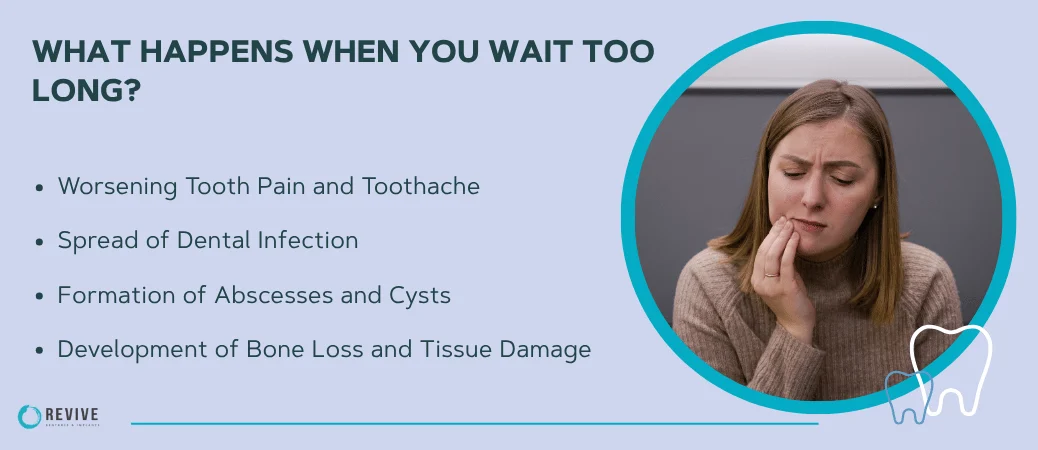
Worsening Tooth Pain and Toothache
Your tooth pain won’t stay at the same level when you delay getting help. What starts as a dull ache often turns into sharp, throbbing pain that makes it hard to eat, sleep, or focus on anything else.
The nerve inside your damaged tooth becomes more irritated as decay spreads deeper.
You might notice the pain comes in waves at first. But soon it becomes constant and harder to ignore. Over-the-counter pain medicine that used to help stops working as well.
Persistent tooth pain is your body’s way of telling you something is seriously wrong.
The discomfort often gets worse at night when you lie down. This happens because blood flow increases to your head, putting more pressure on the infected area.
Spread of Dental Infection
A tooth infection doesn’t stay in one place. Bacteria multiply quickly in the decayed tooth and look for new areas to invade. The infection can move to your gums, nearby teeth, and even into your bloodstream.
When bacteria spread beyond the original tooth, you might develop fever, swelling in your face or neck, and feel tired all the time. Your lymph nodes under your jaw may become swollen and tender.
A spreading dental infection puts strain on your immune system as it tries to fight off the bacteria.
In serious cases, the infection can reach other parts of your body. This includes your heart, lungs, and brain. These complications are rare but can be life-threatening if the dental infection goes untreated for too long.
Formation of Abscesses and Cysts
Abscesses form when pus collects at the root of your infected tooth. This creates a pocket of infection that causes severe pain and swelling. You might see a bump on your gum that looks like a pimple filled with yellow or white fluid.
An abscess won’t heal on its own without tooth removal or other dental treatment. The pressure builds up as more pus accumulates, making the pain unbearable.
Sometimes the abscess ruptures and drains, which gives temporary relief but doesn’t solve the underlying problem.
Cysts can also develop around a dead or dying tooth root. These fluid-filled sacs grow slowly over time and can damage your jawbone.
Unlike abscesses, cysts often don’t cause pain right away, but they weaken the bone structure that holds your teeth in place.
Development of Bone Loss and Tissue Damage
The infection from a bad tooth attacks the supporting bone around it. Your jawbone starts to break down as bacteria destroy the healthy tissue.
This bone loss happens gradually but can become severe if you wait months or years to get treatment.
Once you lose jawbone density, it doesn’t grow back on its own. The damage affects not just the problem tooth but also the teeth next to it.
our other teeth may become loose as they lose the bone support they need to stay firmly in place.
The soft tissue in your mouth suffers damage too. Your gums pull away from infected areas, creating pockets where more bacteria can hide.
Delayed tooth extraction allows this destruction to continue unchecked, making future dental work more complicated and expensive.
Contact us in Durham, NC for guidance on tooth pain, infection, and necessary extractions
Impact on Surrounding Teeth and Oral Function
A damaged or infected tooth doesn’t just affect itself. It can harm the teeth around it, change how your bite works, and make eating and talking harder.

Damage to Nearby Teeth
When you delay extraction of a problem tooth, the infection and decay can spread to healthy teeth next to it. Bacteria from the damaged tooth can move to neighboring teeth and weaken them.
This makes those teeth more likely to develop cavities or infections too.
A broken tooth can impact the stability of neighboring teeth and affect their alignment. You might also start chewing only on one side of your mouth to avoid pain from the bad tooth.
This puts extra pressure on your other teeth and can cause them to crack or wear down faster.
The infection can reach deep into your jawbone and damage the roots of healthy teeth nearby. Once this happens, you may need treatment for multiple teeth instead of just one.
Gum Health and Advanced Gum Disease
Bacteria from an untreated tooth can move under your gumline and cause serious inflammation. Your gums may become red, swollen, and bleed when you brush.
Chronic inflammation can lead to gum disease, which may eventually result in tooth loss.
Early signs of gum problems include:
- Swollen or tender gums
- Bleeding when brushing
- Bad breath that won’t go away
- Pus around the tooth
Advanced gum disease breaks down the tissue and bone that hold your teeth in place. This can cause teeth to become loose or fall out.
Gum disease also affects your overall health and has been linked to heart problems and diabetes.
Bite Changes and Misalignment
When a tooth causes pain, you naturally shift how you bite and chew. Over time, this can change the position of your teeth. Other teeth may drift into the empty space or tilt to compensate for the problem tooth.
Misalignment happens when teeth move out of their proper positions. Your jaw joints can become strained from the uneven pressure. You might notice clicking sounds when you open your mouth or pain in your jaw.
These bite changes can create a chain reaction of dental problems. Crooked teeth are harder to clean properly, which increases your risk of cavities and gum disease in other areas of your mouth.
Difficulty Chewing and Speaking
A damaged tooth makes eating painful and difficult. You’ll likely avoid chewing on that side of your mouth, which strains your jaw muscles. Hard or crunchy foods become impossible to eat comfortably.
Your speech can also be affected if you have swelling or a toothache. Certain sounds become harder to make clearly. You might develop a lisp or notice changes in how your voice sounds.
Tooth extraction restores comfort and normal function to help you eat and speak normally again. The longer you wait, the more these daily activities become challenging and uncomfortable.
How Delay Affects Long-Term Dental Health
Waiting too long for a tooth extraction creates problems that extend far beyond the initial issue. The damage affects your treatment options, costs, and ability to restore your smile effectively.
Increased Need for Complex or Emergency Treatment
When you postpone a routine extraction, what starts as a simple procedure can turn into something much more complicated.
A tooth that could have been removed quickly may develop an abscess or severe infection that requires emergency care.
Delayed tooth extraction risks often include the spread of infection to surrounding teeth and jawbone. This means you might need root canals on adjacent teeth or surgical intervention to clean out infected tissue.
What could have been handled in one appointment now requires multiple visits and more invasive procedures.
Emergency situations also mean you have less control over scheduling and costs. You may need to seek urgent care outside regular office hours, which typically comes with higher fees.
Higher Treatment Costs
The financial impact of delaying tooth extraction grows significantly over time. A routine extraction that might cost a few hundred dollars can escalate into thousands when complications develop.
Infections require antibiotics, additional appointments, and sometimes hospitalization in severe cases. If the infection damages nearby teeth, you’ll need to pay for treatment on those teeth as well.
Bone loss from waiting too long may require bone grafting before you can proceed with tooth replacement.
Many patients avoid tooth extractions near you because of cost concerns, but this decision backfires.
The expenses multiply as your condition worsens, and insurance may not cover all the additional procedures needed to address preventable complications.
Reduced Tooth Replacement Options
Delaying tooth extraction limits your choices for restoring your smile afterward. When bone deteriorates from an infected or damaged tooth, certain replacement options become unavailable or less effective.
Traditional dental bridges require healthy adjacent teeth to serve as anchors. If those teeth become damaged from the spreading infection, you lose this option.
Partial dentures may not fit properly if your jawbone has changed shape due to bone loss.
The longer a problematic tooth remains in your mouth, the more your surrounding bone and gums deteriorate. This structural damage means you have fewer ways to replace the tooth once it’s finally removed.
Challenges for Dental Implants
Dental implants offer the most natural-looking and functional tooth replacement, but delaying tooth extraction can make them difficult or impossible to place.
Implants need adequate bone density and height to support the titanium post that acts as an artificial root.
When infection or disease causes bone loss, there may not be enough healthy bone left to hold an implant securely.
You might need bone grafting procedures first, which adds months to your treatment timeline and increases costs substantially.
The quality of your gum tissue also matters for dental implants. Gum disease that develops around a tooth that should have been extracted damages the soft tissue needed for successful implant placement.
Even with grafting, the success rate decreases when you’ve experienced significant tissue damage from delaying timely dental care.
Why Timely Dental Care and Professional Support Matter
Getting dental treatment when you need it helps you avoid bigger problems and keeps your mouth healthy. Finding the right support and addressing your concerns makes it easier to get the care you need.
Dental Anxiety and Fear

Many people feel nervous about having a tooth pulled. This fear often comes from past experiences, stories from others, or worry about pain during the procedure. These feelings are common and valid.
Talk to your dentist about your concerns before the appointment. Most dental offices offer options to help you feel more comfortable, including numbing medication and sedation.
When you understand what will happen during the procedure, you often feel less anxious.
Avoiding dental care because of fear can lead to worse pain and more complicated treatment later. The infection or damage that made the extraction necessary will not go away on its own.
Waiting usually makes the problem harder to treat and the procedure more involved.
Importance of Choosing a Dentist Near You
Finding a dentist near you makes it easier to get care when you need it. When your dental office is close to your home or work, you can schedule appointments that fit your routine.
This matters especially if you need multiple visits or follow-up care.
A local dentist can respond quickly if you have questions or concerns after your procedure. You want someone you can reach easily if you experience unexpected swelling or discomfort.
Having a trusted dental professional nearby gives you peace of mind.
Look for a dentist who explains your treatment options clearly and answers your questions. The right dental team will help you understand why extraction is necessary and what to expect during recovery.
Protecting Your Smile for the Future
Taking care of dental problems now helps protect your smile long term. When you delay a needed extraction, the infection can spread to nearby teeth and damage the bone that supports them.
This can affect your bite and make it harder to eat comfortably.
Removing a damaged tooth at the right time keeps your other teeth healthy. It also makes it easier to replace the tooth later if you choose to do so. Your jawbone stays stronger when infection is treated quickly.
Good oral health affects more than just your teeth. Infections in your mouth can impact your overall health and wellbeing.
Getting timely treatment helps you avoid unnecessary pain and more expensive procedures down the road.
Frequently Asked Questions
Timing matters when it comes to tooth extractions, and waiting too long can lead to infections that spread beyond the original tooth. The cost and recovery process vary based on how complex the situation has become.
How long is it usually safe to wait before getting a tooth pulled?
There’s no safe waiting period once your dentist recommends an extraction. A tooth that needs removal won’t heal on its own.
The timeline depends on why the tooth needs to come out. If you have an active infection, you should get treatment within days. Waiting even a few weeks can allow bacteria to spread to nearby teeth or your jawbone.
Some people think they can wait if the pain goes away. This doesn’t mean the problem is gone. The infection may still be growing beneath the surface where you can’t feel it yet.
What problems can develop if an infected or damaged tooth isn’t removed in time?
Infections can spread beyond the tooth into surrounding tissues and bones. You might develop facial swelling, fever, or difficulty swallowing.
The bacteria from one bad tooth can damage healthy teeth next to it. Your gums may start to pull back, and the bone that holds your teeth in place can weaken.
You could end up needing emergency care if the infection becomes severe. What starts as a dull ache can turn into throbbing pain that keeps you awake at night.
Bad breath that won’t go away is another common problem. The infection creates an unpleasant taste in your mouth that brushing can’t fix.
Can delaying an extraction make the procedure more complicated or painful later on?
Yes, waiting typically makes the extraction harder to perform. Ongoing infection and bone deterioration can complicate the removal process.
When bone around a tooth breaks down, the dentist has less healthy structure to work with. The tooth may fracture during removal, requiring additional steps to get all the pieces out.
Inflammation makes the area more sensitive to touch. This can mean you need more numbing medication or a longer appointment time.
A simple extraction today might require oral surgery months later. The difference affects both your recovery time and your wallet.
What are the long-term side effects of having a tooth extracted?
Your jawbone can shrink in the area where the tooth was removed. Teeth help keep your jawbone strong through daily chewing, and without that stimulation, the bone gradually gets smaller.
Your other teeth may shift toward the empty space over time. This can affect your bite and make chewing less comfortable.
Your face shape can change slightly if you lose multiple teeth. The jawbone loss can make your cheeks look more sunken.
These effects develop slowly over months and years. Getting a dental implant, bridge, or other replacement can help prevent these changes.
How much does a tooth extraction typically cost, and what factors can change the price?
A simple extraction usually costs between $75 and $300 per tooth. More complex procedures can range from $200 to $600 or higher.
The location of the tooth matters. Back teeth are often harder to reach and may cost more to remove than front teeth.
Emergency extractions typically cost more than scheduled appointments. If you need sedation beyond local numbing, that adds to the total price.
Your dental insurance may cover part of the cost. Many plans pay 50% to 80% of extraction fees, though coverage varies by policy.
If you waited too long and now need additional procedures like bone grafting, the total cost goes up. Treating complications from delayed care is almost always more expensive than addressing the problem early.
What should I avoid doing after a tooth extraction to help it heal properly?
Don’t use a straw for at least 48 hours after your extraction. The sucking motion can pull the blood clot out of the socket and cause a painful condition called dry socket.
Skip smoking and vaping during the first few days of healing. These habits slow down your recovery and increase infection risk.
Avoid hard, crunchy, or sticky foods for the first week. Stick to soft options like yogurt, mashed potatoes, and smoothies.
Don’t rinse your mouth vigorously or spit forcefully. This can also dislodge the blood clot that protects the healing area.
Skip strenuous exercise for 24 to 48 hours. Physical activity raises your blood pressure and can cause bleeding at the extraction site.
Don’t touch the area with your fingers or tongue. Keep the site clean by gently brushing around it, but let the socket heal undisturbed.