

When you’re facing tooth loss, choosing between traditional dentures and implant-supported dentures affects more than just your smile.
Both options can restore your ability to eat and speak comfortably, but they differ significantly in how long they last and how they perform over time.
Implant-supported dentures typically last longer than traditional dentures, with the implant posts potentially lasting a lifetime while regular dentures need replacement every 5 to 10 years.
While traditional dentures are removable prosthetic teeth held in place with adhesive, implant-supported versions attach to metal posts surgically placed in your jawbone.
This fundamental difference impacts everything from daily maintenance to how your facial structure changes over the years.
Understanding the real differences between these tooth replacement options helps you make a choice you’ll be happy with for years to come.
The option that works best for you depends on your bone density, budget, lifestyle, and how much daily maintenance you’re willing to handle.
Key Takeaways
- Implant-supported dentures can last decades or a lifetime, while traditional dentures need replacement every 5 to 10 years
- Implant-supported options help preserve your jawbone and facial structure, unlike regular dentures which can lead to bone loss over time
- Traditional dentures cost less upfront and require no surgery, but implant-supported versions offer better stability and less daily maintenance
Explore implant supported dentures vs dentures and find the right solution for your smile
Table of Content
- How Dentures and Implant-Supported Dentures Work
- Lifespan and Long-Term Durability
- Impact on Bone Health, Facial Structure, and Comfort
- Care, Maintenance, and Oral Hygiene
- Cost, Suitability, and Choosing the Best Option
- Frequently Asked Questions
How Dentures and Implant-Supported Dentures Work
Traditional dentures sit on your gums and rely on adhesive or suction to stay in place, while implant-supported dentures attach to metal posts surgically placed in your jawbone.
The key differences lie in how they’re secured, what types are available, and how your bone health affects each option.
Structure and Placement Differences
Traditional dentures are removable prosthetics that rest directly on your gum tissue. A dentist takes an impression of your upper or lower gums to create a custom fit.
The dentures are held in place with a special adhesive that bonds them to your gums throughout the day.
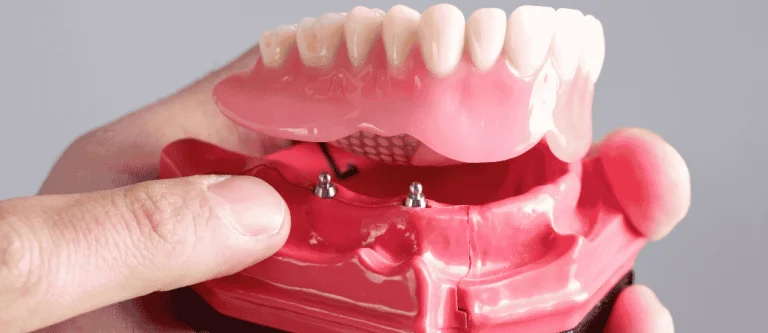
Implant-supported dentures work differently. A dentist surgically places metal posts into your jawbone through drilled holes. These posts act as artificial tooth roots.
Your bone grows around the posts over a few months to secure them in place.
Once the posts are stable, the dentures snap onto them or attach with special connectors. Some implant-supported dentures can be removed for cleaning, while others stay permanently fixed in your mouth.
This attachment method makes them much more stable than removable dentures.
Types: Full, Partial, and Overdentures
Full dentures replace all teeth on your upper jaw, lower jaw, or both. They’re designed for people who have lost all their natural teeth in one or both arches.
Partial dentures fill in gaps when you still have some natural teeth remaining. They attach to your existing teeth for support and can replace just a few missing teeth.
Overdentures are a hybrid option that combines features of both traditional and implant-supported dentures.
They can snap onto a few implant posts (usually two to four per jaw) instead of requiring an implant for each missing tooth.
This makes them more affordable than full implant replacements while still providing better stability than traditional dentures.
Role of Bone Health and Density
Your jawbone density plays a major role in determining which option works best for you. Implant placement requires enough bone material to support the metal posts securely.
If you’ve lost bone through age, gum disease, or tooth loss, you might not qualify for implants right away. A procedure called bone grafting can rebuild your jawbone density, but this adds time and cost to the process.
Traditional dentures don’t require any specific bone density because they simply rest on your gums.
However, wearing removable dentures can actually lead to bone loss over time since there’s no stimulation to your jawbone.
Implants help preserve your bone by mimicking natural tooth roots.
Schedule your consultation in Durham, NC to book your appointment and compare denture options

Lifespan and Long-Term Durability
Traditional dentures typically need replacement every 5 to 10 years, while implant-supported dentures can last 20 years or longer with proper care.
The difference comes down to how each option interacts with your jawbone and handles daily wear.
Typical Lifespan of Traditional Dentures
Regular dentures usually last between 5 to 10 years before you need a new set. Your gums and jawbone naturally change shape over time, which means your dentures won’t fit as well as they did when you first got them.
You’ll need relining every 1 to 2 years to maintain a proper fit. This process adds material to the denture base so it sits snugly against your gums again. Without relining, your dentures can slip when you talk or eat.
The acrylic material that makes up dentures also wears down from daily use. Chewing force gradually damages the teeth and base. You might notice cracks, chips, or a worn-down appearance after several years of use.
Lifespan of Implant-Supported Dentures
Dental implants can provide 20 or more years of service when properly maintained. The implant posts themselves often last a lifetime because they become part of your jawbone through osseointegration.
The denture portion attached to your implants typically needs replacement every 10 to 15 years.
This is still much longer than traditional dentures because the implants keep your jawbone healthy and prevent the bone loss that causes fit problems.
Your implants stay stable because they fuse with your bone. This process, called osseointegration, creates a strong foundation that doesn’t shift or change shape like your gums do with regular dentures.
Factors That Affect How Long Each Option Lasts
Your jawbone health plays the biggest role in how long either option works well. Traditional dentures speed up bone loss because they put pressure on your gums instead of stimulating bone growth.
Implant-supported dentures offer significant advantages in long-term oral health by preserving your jawbone.
Daily care habits directly impact lifespan. You need to clean both types every day, but implant-supported dentures require less maintenance overall.
The chewing force you apply also matters. Hard or sticky foods can damage traditional dentures faster. Implant-supported dentures handle these forces better because they’re anchored to your bone.
Impact on Bone Health, Facial Structure, and Comfort
The biggest differences between traditional dentures and implant-supported dentures show up in how they affect your jawbone over time and how they feel day to day.
Implants provide bone stimulation that keeps your jaw healthy, while conventional dentures can speed up bone loss.
Bone Loss Prevention and Jawbone Preservation
When you lose teeth, your jawbone starts to shrink because it no longer gets the pressure it needs from tooth roots. Traditional dentures sit on top of your gums and actually speed up this process.
The pressure from dentures resting on the gum tissue compresses the bone underneath, causing you to lose about 25% of ridge width in the first year alone.
Implant-supported dentures work differently. The titanium posts act like tooth roots and stimulate the jawbone to preserve jawbone health. This stops the breakdown process and keeps your bone density stable for years.
If you already have significant bone loss, you might need a bone graft before implants can be placed. Bone grafting adds material to rebuild the jawbone so it can support the implant posts properly.
Maintaining Facial Structure Over Time
Your facial structure depends on the support your jawbone provides. As bone loss continues with traditional dentures over 10 to 20 years, your face can develop a sunken, aged look.
Your lips lose support, your lower face shortens, and the distance from your chin to your nose becomes more pronounced.
Implant-supported dentures preserve jawbone, which means they help maintain your natural facial contours. Your cheeks stay fuller and your face keeps its proportions.
This is one of the main reasons people switch from regular dentures to implant-supported options after wearing dentures for several years.
Comfort, Sore Spots, and Chewing Power
Traditional dentures often cause sore spots where the acrylic rubs against your gums. You might experience gagging from the upper plate covering your palate.
They restore only about 20% to 25% of natural chewing force, so you’ll need to avoid hard or sticky foods.
Implant-supported dentures feel much more stable because they snap onto the implant posts. They restore about 50% to 60% of your natural bite strength.
You won’t need denture adhesive, and the dentures won’t slip during meals or conversations.
Most people find implant-supported dentures significantly more comfortable than traditional dentures. You can eat a wider variety of foods and speak more clearly without worrying about your dentures moving around.
Care, Maintenance, and Oral Hygiene
The daily care routines differ significantly between traditional and implant-supported dentures, with each requiring specific cleaning methods and professional checkups.
Good oral hygiene practices directly impact how long your dentures will last and how healthy your mouth stays.

Cleaning Routines for Both Options
Traditional dentures need to be removed from your mouth every day for cleaning. You should take them out before bed and soak them overnight in a denture cleaning solution to kill bacteria and keep them fresh.
In the morning, rinse them thoroughly to remove any cleaning solution residue before putting them back in your mouth.
Implant-supported dentures require a different approach to daily maintenance. You clean them just like natural teeth by brushing and flossing with low-abrasive toothpaste.
Water flossers work really well for cleaning under these dentures where food can get trapped.
You don’t need to remove implant-supported dentures at night or soak them in solutions. This makes your routine simpler and more like caring for natural teeth.
If you use denture adhesive with traditional dentures, you’ll need to clean any residue off both the dentures and your gums each day.
Dental Visits and Adjustments
Traditional dentures typically require visits to your dentist every six months for checkups and adjustments.
Your gums and jawbone change shape over time, which means your dentures may need relining or adjustments to fit properly.
These changes happen because the bone under your gums naturally shrinks when teeth are missing.
Implant-supported dentures need professional care at least three times per year. During these visits, your periodontist can detach the dentures for deep cleaning and check the health of your implants.
Your dentist may use digital imaging to monitor the bone around your implants and catch any problems early.
The implants themselves can’t get cavities, but the gum tissue and bone around them can develop peri-implantitis if bacteria builds up. Regular professional cleanings help prevent this condition.
Role of Oral Hygiene in Longevity
Your oral hygiene habits play a huge role in how long both types of dentures will last. Poor cleaning leads to bacteria buildup, which causes gum disease and bone loss with either option.
For traditional dentures, keeping them clean prevents staining, odors, and infections in your mouth. Clean dentures also fit better and stay comfortable longer.
Neglecting daily cleaning can lead to thrush and other oral health problems.
With implant-supported dentures, daily brushing and flossing protects both your gums and the implants themselves. The bone and tissue around implants need to stay healthy for the implants to remain stable.
Good hygiene practices can help your implants last a lifetime, while poor care can lead to implant failure within just a few years.
Cost, Suitability, and Choosing the Best Option
The cost of dentures differs significantly from implant-supported options, and understanding who qualifies for each treatment helps you make the right choice for your mouth and budget.
Cost of Dentures vs Implant-Supported Dentures
Traditional dentures are the more affordable choice upfront. The cost of dentures ranges from $800 to $1,500 for a full set of upper and lower dentures.
Implant-supported dentures require more investment because they involve implant surgery and specialized hardware. These dentures typically cost between $6,000 and $30,000 depending on how many implants you need.
The All-on-4 system, which uses four implants per arch, usually costs around $15,000 per arch.
While traditional dentures seem cheaper initially, they need replacement every five years. Implant-supported dentures can last decades with proper care.
When you calculate long-term costs, the gap narrows considerably between the two options.
Dental Insurance and Financing Considerations
Most dental insurance plans cover at least part of traditional denture costs.
Coverage for implant-supported options is less common, though some plans may pay for the denture portion even if they exclude the implant surgery and abutment costs.
You should check your specific policy to understand what’s covered. Many dental offices offer payment plans or financing options to help spread out the higher upfront costs of implant-supported dentures.
Some patients use healthcare credit cards or work with third-party lenders.
A prosthodontist can provide a detailed treatment plan with cost breakdowns before you commit to either option.
Who Makes a Good Candidate for Each Option?

Traditional dentures work well if you have significant bone loss in your jaw or health conditions that make surgery risky. They’re also suitable when you need to replace multiple missing teeth quickly without surgery.
Implant-supported dentures require adequate jawbone density to support the implants. Your dentist will evaluate your bone health through X-rays or scans.
If you don’t have enough bone, you might need a bone graft first, which adds time and expense.
You’re generally a good candidate for implant-supported dentures if you:
- Have sufficient jawbone density
- Are in good overall health
- Don’t smoke or are willing to quit
- Want a more stable, long-term solution
People with uncontrolled diabetes, active gum disease, or certain immune disorders may need to choose traditional dentures instead.
Frequently Asked Questions
Traditional dentures typically need replacement every 5 to 7 years, while implant-supported dentures can last 10 to 20 years or more with the right care.
The implant posts themselves often last a lifetime, though the denture portion may need updates.
How long do traditional dentures usually last before they need to be replaced?
Traditional dentures generally last between 5 and 7 years before you’ll need a new set. The acrylic material wears down from daily chewing and cleaning.
Your mouth also changes shape over time. Your jawbone naturally shrinks when you lose teeth, which makes your dentures fit poorly after several years.
What factors can make dentures wear out faster over time?
Poor cleaning habits can break down the denture material and cause stains or damage. Using hard-bristled brushes or harsh cleaners wears away the surface faster than gentle care.
Eating hard or sticky foods puts extra stress on your dentures. This can cause cracks or breaks in the base material.
Bone loss speeds up when you wear traditional dentures because they don’t stimulate your jaw like natural teeth. This changes how your dentures fit and makes them need replacement sooner.
How long can implant-supported dentures typically last with proper care?
Implant-supported dentures can last 10 to 20 years with good maintenance and care. The denture part may need replacement after this time due to normal wear.
You’ll need to brush daily and see your dentist regularly to get the most life out of them. Taking care of both the denture and the implants helps them last longer.
Do implants themselves last longer than the denture that attaches to them?
The implant posts are designed to be permanent and can last 20 to 30 years or even a lifetime with proper oral care. They fuse with your jawbone and become very stable.
The denture portion that attaches to the implants may need replacement after 10 to 15 years. Think of it like replacing the crown on top while the foundation stays in place.
What kind of maintenance or repairs should I expect over the years with each option?
Traditional dentures need relining every few years to maintain a good fit as your gums and bone change. You might also need repairs if they crack or if teeth break off from the base.
Implant-supported dentures require regular dental checkups to make sure the implants stay healthy. The attachment parts that connect the denture to the implants may need replacement over time.
You’ll also need professional cleanings to keep the implants in good condition.
Which option tends to cost less in the long run when you factor in replacements and upkeep?
Traditional dentures cost less upfront, usually between $1,000 and $3,000 per arch. But you’ll need to replace them every 5 to 7 years, plus pay for adjustments and relines in between.
Implant-supported dentures cost more initially, often $15,000 to $30,000 per arch depending on how many implants you need.
However, when considering long-term value over 25 years, the need for fewer replacements can make them more cost-effective. You won’t need new implants, just occasional denture updates and routine maintenance.