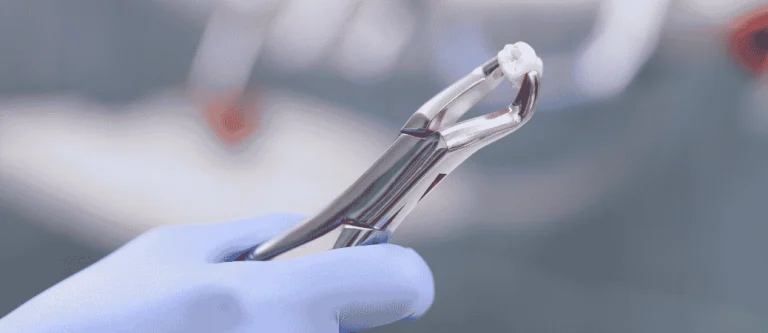

Loose dentures can turn everyday moments like eating and laughing into a source of stress. If your denture slips, clicks, or needs more adhesive than before, you are not alone.
Many denture wearers reach a point where a loose fit affects their quality of life, chewing ability, and social confidence, which often means it is time to look at snap-on implant options.
Your jawbone and gums change shape over the years, even if your denture looks the same as the day you got it. Sometimes a simple reline fixes the problem.
Other times, your denture keeps slipping no matter what you try, and a loose dentures implant solution may provide the added support and stability you need.
This post walks you through why dentures loosen, the signs that point to something more than a quick fix, and how implant solutions can give you a smile that feels steady and natural again.
Key Takeaways
- Loose dentures often happen because your jawbone and gums naturally change shape over time.
- Some fit problems can be solved with a reline or new denture, while others call for a more secure, long-term solution.
- Implant options can improve chewing ability, protect your jawbone, and help you feel more confident day to day.
Table of Content
- Why Dentures Become Loose Over Time
- Signs It May Be Time for More Than an Adjustment
- When Relines or New Dentures Are Still Appropriate
- Implant Options That Create a More Secure Smile
- How Implants Support Function, Bone, and Confidence
- Frequently Asked Questions
Why Dentures Become Loose Over Time
Your dentures probably fit well when you first got them. But your jaw and gums keep changing, and this affects your denture fit as time goes on.
Three main things cause this: bone loss, changes in your gums, and normal wear on the denture itself.
Bone Resorption After Tooth Loss
When you lose your natural teeth, you also lose the roots that used to keep your jawbone strong. Your natural tooth roots send signals to your jawbone every time you bite or chew. This keeps the bone healthy and full.
Once those roots are gone, your body starts to break down and absorb that bone tissue. Dentists call this bone resorption. It happens slowly, but it never really stops.
As your jawbone shrinks, your gums change shape too. This means your dentures no longer match the shape of your mouth.
Over time, bone resorption is the main reason dentures stop fitting well, even if you take good care of them.
Changes in Gum Tissue and Denture Fit
Your gums sit on top of your jawbone, so when the bone shrinks, your gums shrink with it. This changes the surface your dentures rest on every day.
You might notice your gums feel flatter or less full than before. This is common and happens to almost everyone who wears dentures long-term.
These changes affect your denture fit in a big way. What once fit snug can start to feel loose, wobbly, or uneven.
Your dentures may also rub against your gums in new spots, causing sore areas that weren’t there before. This can make eating and talking harder than it used to be.
Wear, Damage, and an Uneven Bite
Your dentures go through a lot of stress each day. You use them to bite, chew, and speak, and this adds up over the years.
The materials in traditional dentures and conventional dentures can wear down or crack after enough use. Small cracks may not seem like a big deal at first, but they can throw off your bite.
An uneven bite puts more pressure on certain parts of your gums and jaw. This can speed up bone loss and make ill-fitting dentures even harder to wear comfortably.
Watch for these signs of wear:
- Cracks or rough spots on the denture surface
- Teeth that look flat or worn down
- A bite that feels off-balance
- Dentures that click or feel unstable
Catching these issues early can help protect your oral health and keep your mouth more comfortable overall.
Signs It May Be Time for More Than an Adjustment
A simple denture adjustment can fix small fit problems, but some issues keep coming back no matter how many times you visit the dentist. Here are the signs that tell you it might be time to look at a longer-term fix instead.
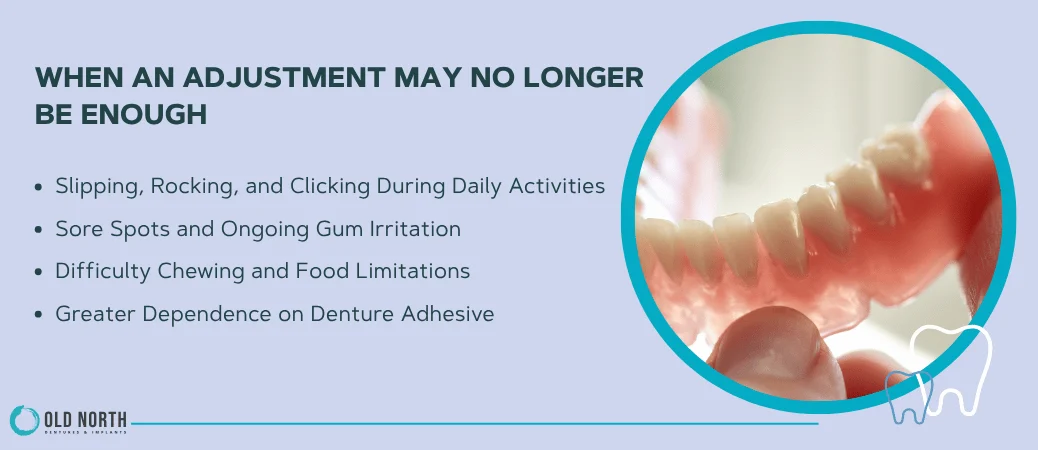
Slipping, Rocking, and Clicking During Daily Activities
If your dentures move around when you talk, laugh, or eat, that’s a big clue something bigger is going on. Lower dentures tend to slip more than upper dentures because they have less suction to hold them in place.
You might notice a clicking sound when your teeth come together, or feel your dentures rock side to side when you chew.
This can make you feel self-conscious in social situations, which chips away at your social confidence over time.
A denture adjustment can help for a while. But if the movement keeps happening even after a few adjustments, your jawbone shape may have changed too much for the denture to fit well anymore.
Sore Spots and Ongoing Gum Irritation
Sore spots that show up again and again are a sign your dentures aren’t sitting right. Your gums might feel raw, red, or tender in the same spot every time you wear them.
This happens because loose dentures shift and rub against your gum tissue instead of resting evenly. Over time, this pressure can wear down your gums and even affect the bone underneath.
Understanding the risks of delaying treatment can also help you see why ongoing discomfort should not be ignored.
If you keep getting sore spots no matter how many times your dentist smooths or reshapes them, it may mean your gums have changed shape more than a simple fix can handle.
Difficulty Chewing and Food Limitations
Struggling to chew certain foods is one of the clearest signs your dentures need more than a quick fix. You may find yourself avoiding foods like:
- Steak or other tough meats
- Raw vegetables and fruits
- Nuts and seeds
- Chewy bread or bagels
This kind of difficulty chewing often means your dentures no longer create enough bite force or stay steady enough to break down food properly.
Cutting out these foods can affect your nutrition over time, since you may lean on softer, less balanced meals instead.
Greater Dependence on Denture Adhesive
Needing more denture adhesive than you used to is a warning sign worth paying attention to.
If you’re using bigger amounts, reapplying throughout the day, or trying stronger denture adhesives just to get through a meal, your denture fit has likely changed.
Adhesive can help with minor looseness, but it shouldn’t be the main thing holding your dentures in place.
When it becomes the only thing keeping your dentures from slipping, your jawbone and gums may have shrunk enough to affect your facial support too.
This can lead to a sunken look around your mouth and cheeks, which many people notice before they even realize their denture fit has changed.
When Relines or New Dentures Are Still Appropriate
Not every loose denture means you need implants. In many cases, a simple reline or a new set of dentures can fix the problem and get you back to comfortable chewing and speaking.
What a Professional Denture Reline Can Fix
A denture reline reshapes the underside of your denture so it matches your current gum shape better. This works well when your gums or jawbone have changed a little, but your denture teeth are still in good shape.
You might need a reline if your dentures feel loose, slip while you eat, or rub against sore spots. Needing more adhesive than before is another common sign.
A denture reline can be soft or hard, depending on how sensitive your gums are and how long you need the fix to last. This option keeps your existing denture usable instead of starting over.
It’s often the fastest and most affordable way to fix minor fit issues.
When a New Complete Denture Is the Better Choice
Sometimes a reline just won’t cut it. If your denture base is cracked, warped, or badly stained, it’s usually time for a new complete denture.
The same goes for dentures older than five to eight years, since the teeth often wear down and stop looking natural. Worn teeth also make chewing harder and can change your bite.
A new denture gives you fresh material, a better fit, and teeth that look more natural.
If your denture teeth are fine but the base needs work, a rebase might be a smarter option since it keeps your familiar teeth while replacing the base material.
Why Repeated Relines Have Limits
Relines can only do so much. Your jawbone keeps changing shape over time, even after you get a reline.
If you need relines every few months instead of every couple of years, that’s a sign your bone loss is moving faster than your denture can keep up with. At some point, adding more material to the same base stops solving the problem.
This is often when dental implants become a better long-term option than continuing with removable dentures. Repeated relines can also weaken the denture base itself, making it more likely to crack.
If you’re stuck in a cycle of frequent adjustments, Dr. Robert Long can evaluate your denture fit, bone health, and implant options to determine whether a more stable solution makes sense for you.
Implant Options That Create a More Secure Smile
If your dentures keep slipping, you have more choices than you might think. From snap-in designs to fully fixed bridges, each option offers a different level of stability, comfort, and daily convenience.

Getting Snap-In Dentures
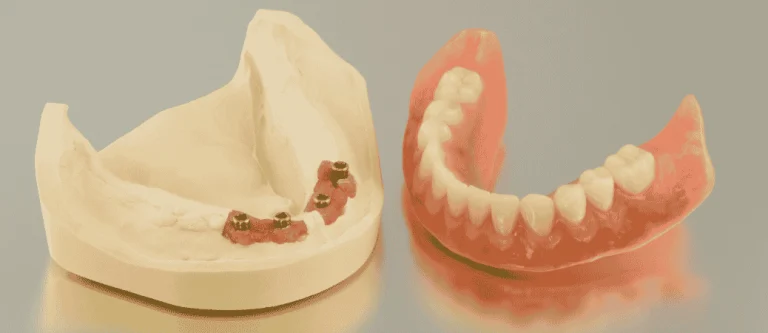
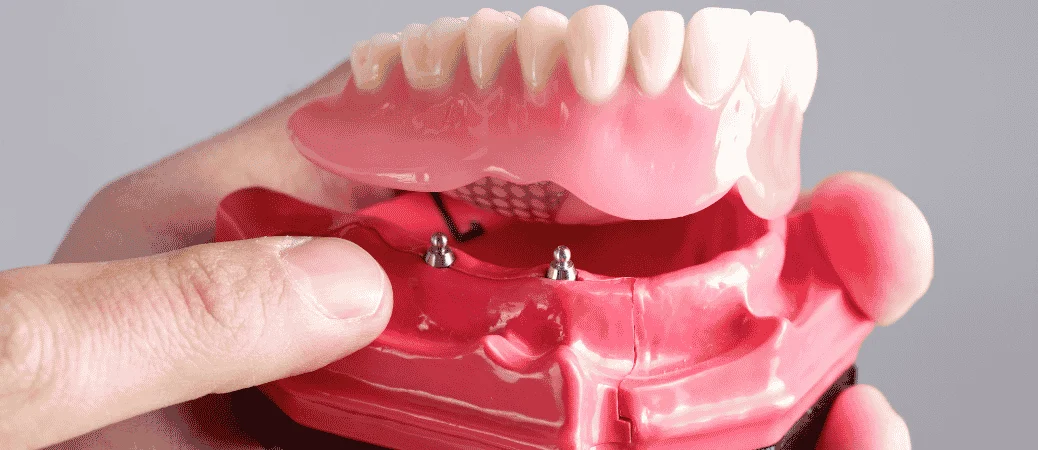
Snap-in dentures use two to four implants placed in your jawbone to hold your denture firmly in place. Small attachments on the implants connect to matching pieces inside your denture, so it clicks securely when you put it in.
This option works well if you want more stability than a traditional denture but still want the ability to remove your teeth for cleaning. You can take them out each night, which makes hygiene simple.
Many people find snap-in dentures to be a good middle-ground choice. They cost less than fully fixed implant options, yet they solve most of the slipping and shifting problems that come with traditional dentures.
Removable Implant Overdentures
An implant overdenture works in a similar way to snap-in dentures, but it usually refers to a full denture supported by a slightly larger number of implants.
These implants act as artificial tooth roots that fuse with your jawbone over time.
This fusion process, called osseointegration, gives your denture a strong, stable foundation. You’ll notice less movement when you chew, laugh, or talk.
Overdentures are removable, so you can clean both your gums and your denture each day.
Many dentists recommend this option for patients who have lost most of their jawbone density but still have enough left to support implants.
Fixed Full-Arch Implant Dentures
Fixed full-arch dentures attach permanently to your implants, so only your dentist can remove them. This design tends to feel the most like having your natural teeth back.
Because the denture doesn’t come out, you skip the daily in-and-out routine. You brush and floss around it just like you would with real teeth.
There are a few different types of implant-supported dentures that fall into this fixed category, including bar-retained and screw-retained designs.
Your dentist will look at your bone health and bite pattern to figure out which fixed option fits your mouth best.
All-on-4 and Fixed Bridge Options
All-on-4 is a specific type of fixed bridge that uses four implants placed at careful angles to support a full arch of teeth.
This design works even for many people who don’t have enough bone for traditional implants, since it doesn’t always require bone grafting.
Your dentist places the implants and often attaches a temporary bridge the same day, so you’re not left without teeth during healing.
Once your jawbone fully heals, you get a strong, permanent bridge that functions much like natural teeth. This implant-supported approach tends to offer strong biting force, which means you can eat a wider range of foods without worry.
How Implants Support Function, Bone, and Confidence
Implants do more than just hold your dentures in place. They protect your jawbone, help you chew and speak clearly, and give you a reason to smile with confidence again.
Osseointegration and Bone Preservation
When you get dental implants, a process called osseointegration happens. This is when the titanium implant post fuses directly with your jawbone. It creates a strong, stable base that acts like a real tooth root.
This matters because your jawbone needs stimulation to stay healthy. Without a tooth root, your body starts to break down bone in that area over time.
Implants send signals to your jawbone every time you bite or chew. This keeps the bone active and helps prevent further bone loss. Traditional dentures cannot do this because they only rest on your gums.
Improved Stability, Speech, and Chewing Ability
Loose dentures can slip when you talk or eat, and this gets frustrating fast. Implant-supported dentures fix this problem by anchoring firmly to your jawbone.
You will notice a big difference in your chewing ability right away. Foods like apples, steak, and corn on the cob become much easier to eat without worry.
Your speech also improves because your dentures stay put. You won’t need to worry about clicking sounds or shifting while you talk to friends or family.
Here’s what most people notice after switching:
- No more slipping or sliding while eating
- Clearer speech without mumbling
- Less need for messy adhesives
- More confidence in social situations
These changes often lead to a better quality of life overall.
Planning for Bone Loss and Bone Grafting
Not everyone has enough jawbone to support implants right away. This is common if you’ve worn traditional dentures for many years, since bone loss happens gradually without a tooth root to stimulate it.
Your dentist will check your bone density with an X-ray or scan before planning implant surgery. If you don’t have enough bone, bone grafting can help.
This procedure adds bone material to weak areas of your jaw. It gives your implants a solid foundation to attach to.
Bone grafting does add extra healing time to your treatment. Most people need several months to heal before implants can be placed.
Choosing the Right Implant Provider
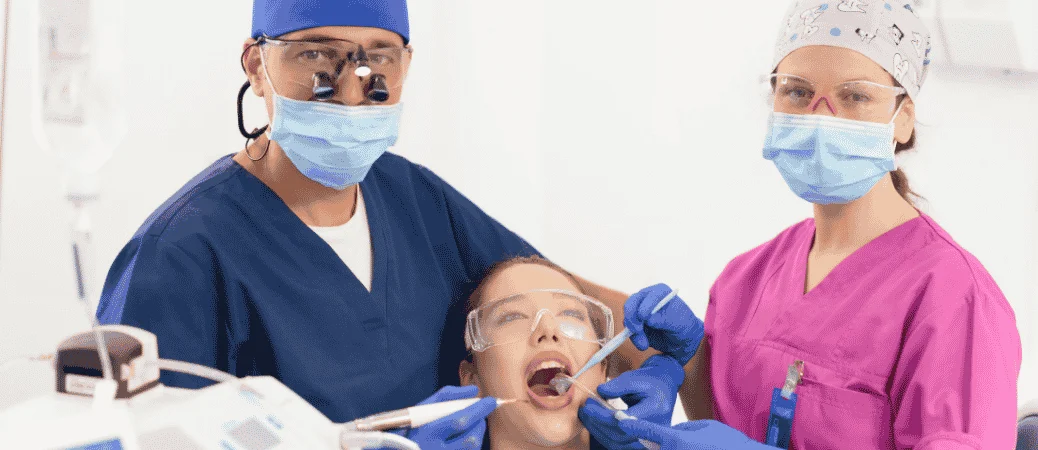
Picking the right provider matters just as much as the implants themselves. You want someone with real experience in this specific type of dental work.
Look for an implant dentist or prosthodontist who focuses on tooth replacement. A prosthodontist has extra training in replacing teeth and can handle complex cases with more confidence.
Ask about their experience, and don’t be afraid to ask questions during your consultation. A good provider will explain your options clearly and check your oral health recommending a treatment plan.
Frequently Asked Questions
Loose dentures raise a lot of common questions, from simple fixes to long-term solutions. Below are answers to help you understand your options and make the best choice for your smile.
Why do my dentures feel loose or keep slipping?
Your dentures feel loose because your jawbone changes shape over time. Once your natural teeth are gone, the bone that used to support them starts to shrink.
This is called bone resorption, and it happens because your jawbone no longer gets stimulation from tooth roots.
As the bone shrinks, the ridge under your denture gets flatter. A denture that fit well a few years ago may now rock back and forth or slip when you talk or eat.
Can loose dentures be tightened or adjusted instead of replaced?
Yes, in many cases you don’t need brand new dentures right away. A denture reline adds new material to the base of your denture so it fits your gums again.
Relines are the cheapest short-term fix, usually costing between $300 and $600 and lasting one to two years.
If a reline doesn’t solve the problem, or if you’ve had several relines with no improvement, that’s a sign you may need a different solution.
How can I keep my lower dentures in place without using adhesive?
Adhesive can help in the short term, but it’s not something you want to rely on every day. A more lasting fix is an implant-supported denture, which uses small titanium posts placed in your jawbone to hold the denture steady.
Even a couple of implants can make a big difference for lower dentures, since they tend to be less stable than upper dentures. This gives you a secure fit without needing paste or cream every morning.
When are dental implants a better option than traditional dentures?
Implants tend to make more sense once regular dentures stop working well, even after adjustments. If your dentist has told you that you have significant bone loss, implants may be worth exploring.
They’re also a good option if you’ve tried multiple relines without success, or if daily slipping and discomfort are affecting how you eat and speak.
A dental provider can check your bone level and let you know if you’re a good candidate.
Can lower dentures be permanently attached with implants?
Yes, this is one of the most popular uses for implants. A few implants placed in your lower jaw can snap or lock your denture into place, so it doesn’t move around when you chew or talk.
This setup is often called an implant-supported overdenture. Depending on the type of attachment used, your denture can still be removed for cleaning, but it stays firmly connected during everyday use.
How long do implant-supported dentures usually last?
The implants themselves are built to last a long time. With good care, they can function well for 20 years or more. The denture portion that attaches to the implants may need to be replaced or adjusted every so often due to normal wear.
Regular checkups help catch any issues early, so your implants keep working the way they should.