


A toothache might seem like something you can put off until your next dental appointment, but sometimes waiting can put your health at risk.
Your case becomes a dental emergency when a tooth infection spreads beyond the tooth itself, causing symptoms like facial swelling, difficulty breathing or swallowing, high fever, or severe pain that won’t respond to over-the-counter medication.
Knowing the difference between a dental problem that can wait and one that needs immediate attention could prevent serious complications.
A tooth infection that remains localized around the tooth needs treatment but isn’t typically a call-911 emergency. The situation changes when bacteria spread to your jaw, throat, neck, or bloodstream.
At that point, you’re dealing with a medical emergency that requires fast action.
Understanding when to seek urgent care versus waiting for a regular dental visit can protect you from dangerous complications.
This guide will help you recognize the warning signs, know what steps to take, and learn how to prevent tooth infections from becoming emergencies in the first place.
Key Takeaways
- A tooth infection becomes an emergency when it spreads beyond the tooth to your face, jaw, throat, or causes breathing difficulties
- Warning signs like facial swelling, high fever, and severe unrelieved pain require immediate medical attention
- Quick treatment through drainage, antibiotics, or root canal can prevent life-threatening complications like sepsis
Learn about tooth infection emergency treatment and get fast, reliable dental care
Table of Content
- What Makes a Tooth Infection an Emergency?
- Key Warning Signs and Symptoms to Watch For
- Complications and Risks of Untreated Tooth Infections
- Steps to Take If You Suspect a Dental Emergency
- Treatment and Prevention Strategies
- Frequently Asked Questions
What Makes a Tooth Infection an Emergency?
A tooth infection becomes dangerous when it spreads beyond the original tooth, causing severe swelling, high fever, or breathing difficulties.
Knowing the difference between routine dental pain and a true emergency can help you get the right care at the right time.
Understanding Tooth Infections and Dental Abscesses
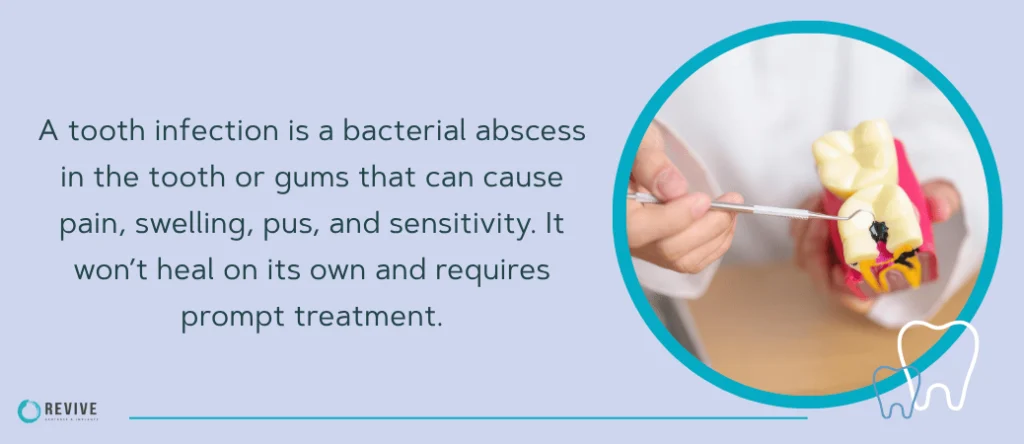
A tooth infection happens when bacteria enter the soft pulp inside your tooth through a cavity, crack, or chip. This creates a pocket of pus called a dental abscess. There are two main types you should know about.
An endodontic abscess forms inside the tooth’s root when decay reaches the pulp. A periodontal abscess develops in the gums and bone around the tooth from gum disease.
Both types cause similar problems. You might feel throbbing pain that won’t go away. Your gums may swell or develop a pimple-like bump that leaks pus. The tooth often becomes sensitive to hot and cold foods.
The infection won’t heal on its own. Even if the pain temporarily stops, bacteria remain active and continue spreading.
Without treatment from an emergency dentist, the infection grows deeper into surrounding tissues.
When a Tooth Infection Turns Dangerous
A tooth infection that remains localized needs urgent dental care but isn’t necessarily a medical emergency. However, certain warning signs mean you need help immediately.
Go to the emergency room right away if you experience:
- Severe facial swelling affecting your jaw, neck, or throat
- Fever above 101°F
- Difficulty swallowing or breathing
- Rapid heart rate or confusion
- Severe pain that pain medication doesn’t control
These symptoms mean the infection is spreading to other parts of your body. When bacteria enter your bloodstream, it can cause sepsis, a life-threatening condition.
Swelling near your airway can block breathing within hours.
Can a tooth infection kill you? Yes, though it’s rare with modern emergency dental care. The infection can spread to your brain, heart, or lungs if left completely untreated.
Timeline: How Fast Can a Tooth Infection Escalate?
A tooth abscess doesn’t follow a predictable schedule. Some infections spread within days, while others take weeks to become serious.
In the first few days, you’ll typically notice tooth pain and minor gum swelling. The pain might come and go as pressure builds.
Within one to two weeks, untreated infections often worsen significantly. Swelling becomes more visible, and fever may develop.
Danger signs can appear suddenly. Facial swelling can spread to your neck or under your tongue in just 24 to 48 hours. This creates a medical emergency that requires immediate attention.
Your overall health affects how fast the infection moves. People with diabetes or weakened immune systems face faster progression.
That’s why getting emergency dental services matters so much; early treatment stops the infection before it spreads to dangerous areas.
Contact us in Durham, NC for urgent dental care and immediate help with tooth infections
Key Warning Signs and Symptoms to Watch For
Tooth infections start with mild discomfort but can quickly turn serious. Knowing the difference between early symptoms and emergency warning signs helps you get treatment at the right time.
Symptoms of a Tooth Infection
A tooth infection usually begins with sensitivity to hot or cold temperatures when you eat or drink. You might feel pain when you bite down or chew food.
As the infection gets worse, you’ll likely experience a persistent toothache that won’t go away. This tooth pain can range from a dull ache to sharp, throbbing sensations. The pain might spread to your jaw, neck, or ear.
Other common early symptoms include:
- Bad breath that doesn’t improve with brushing
- An unpleasant taste in your mouth
- Sensitivity when you touch the tooth or gum area
- A small bump on your gum near the painful tooth
- Slight swelling around the affected tooth
Signs a Tooth Infection Is Spreading
When bacteria move beyond the tooth, symptoms of tooth infection spreading become more serious. You’ll notice facial swelling on the side of the infected tooth. Your cheek, jaw, or eye area might look puffy.
Swollen lymph nodes under your jaw or in your neck signal that your body is fighting the infection. These glands feel tender when you touch them.
Difficulty swallowing happens when swelling affects your throat area. You might also develop trismus, which is when you can’t open your mouth fully.
Some people run a fever as their immune system responds to the infection.
Red-Flag Emergency Symptoms
Certain symptoms mean you need immediate medical attention. A severe toothache that suddenly gets much worse or becomes unbearable requires emergency care.
Seek help right away if you experience:
- High fever above 101°F (38.3°C)
- Rapid swelling that affects your breathing or eye
- Confusion or disorientation
- Racing heart rate
- Extreme fatigue or weakness
These can be signs of sepsis, a life-threatening condition where infection spreads through your bloodstream. If you can’t swallow, breathe normally, or notice swelling closing your eye, call 911 immediately.
Get expert tooth infection emergency treatment to relieve pain and stop infection quickly
Complications and Risks of Untreated Tooth Infections
A tooth infection that goes untreated can lead to several types of abscesses and serious health problems.
The bacteria can spread beyond your tooth and gums to affect other parts of your body, and some people face higher risks than others.
Common and Severe Dental Abscess Types
A periapical abscess forms at the tip of your tooth root when bacteria enter through a cavity or crack. This is the most common type of dental abscess and happens when infection reaches the tooth’s pulp.
A periodontal abscess develops in your gums next to the tooth root. It usually occurs when you have gum disease or food gets trapped between your tooth and gum.
A gingival abscess only affects your gum tissue and doesn’t involve the tooth or periodontal ligament. This type is less serious but still needs treatment.
Abscess formation happens when your body tries to contain the infection by creating a pocket of pus. Without treatment, the pressure builds and the infection can break through to surrounding tissues.
Serious Health Risks From Spreading Infection
When a tooth infection spreads, it can cause dangerous complications throughout your body. Osteomyelitis is an infection of the bone around your tooth that can damage the jaw.
Cavernous sinus thrombosis occurs when infection reaches the blood vessels in your sinuses. This condition is rare but life-threatening.
Severe untreated infections can spread to your face and neck, causing cellulitis or abscesses in your throat.
The bacteria can enter your bloodstream and cause sepsis, where your immune system overreacts to the infection. Sepsis can lead to organ failure and death if not treated quickly.
In rare cases, the infection can reach your brain or heart, creating abscesses in these vital organs.
Who’s at Higher Risk for Dangerous Infections
You’re at higher risk if you have diabetes because high blood sugar weakens your immune system. Your body has a harder time fighting off the bacteria from a gum infection or tooth abscess.
People with weakened immune systems from HIV, cancer treatment, or medications face greater danger from spreading infections. Your body can’t contain the bacteria as effectively.
If you have heart valve problems or artificial joints, bacteria from tooth infections can travel through your bloodstream to these areas.
Poor oral hygiene and delayed dental care also increase your risk of developing serious complications.
Older adults often face higher risks because they may have multiple health conditions and take medications that affect immune function.

Steps to Take If You Suspect a Dental Emergency
Knowing where to go and what to do can make a big difference when you have a tooth infection. Taking the right steps quickly helps reduce pain and stops the infection from spreading to other parts of your body.

When and Where to Seek Emergency Care
You should call an emergency dentist if you have severe tooth pain, gum swelling near a tooth, or pus draining from your gums. Most dental infections can be handled at an emergency dental clinic rather than a hospital.
Go to the emergency room right away if you notice any of these warning signs:
- Swelling that spreads to your face, neck, or under your jaw
- Fever over 101°F
- Trouble swallowing or breathing
- Difficulty opening your mouth fully
These symptoms mean the infection is spreading beyond your tooth. An emergency room can handle life-threatening complications that need immediate attention.
For pain and swelling that stays near the tooth, contact an emergency dental service first. Many dental offices offer same-day appointments for infections.
If it’s after hours, look for a 24-hour emergency dentist in your area who can see you quickly.
What to Expect at the Emergency Dentist or ER
Your dentist will start by asking about your symptoms and taking X-rays to see where the infection is located. They’ll check the affected tooth and the area around it for swelling or pus.
Treatment usually includes:
- Incision and drainage of the abscess to release trapped pus and reduce pressure
- Antibiotics to fight the bacterial infection
- Root canal to clean out infected tissue and save the tooth
- Tooth extraction if the damage is too severe to repair
The dentist will numb the area before draining the abscess or working on your tooth. This brings fast relief from the throbbing pain. You’ll likely get a prescription for antibiotics to take at home.
At the ER, doctors focus on treating the spread of infection. They may give you IV antibiotics or perform drainage if swelling threatens your airway.
The ER will refer you to a dentist for follow-up care to treat the tooth itself.
Managing Pain and Swelling Until Help Arrives
You can take steps at home to ease discomfort while waiting for your appointment. Rinse your mouth gently with warm salt water several times a day to reduce bacteria.
Take ibuprofen or acetaminophen as directed on the package to control pain and fever. Hold a cold compress against your cheek for 15 minutes at a time to bring down swelling.
Things to avoid:
- Chewing on the infected side
- Hot foods and drinks that increase pain
- Alcohol and tobacco products
- Sugary snacks that feed bacteria
Stick to soft foods like yogurt, scrambled eggs, and mashed potatoes. These home remedies won’t cure your infection, but they help you feel better until you can get professional tooth abscess treatment. Don’t skip your appointment even if the pain goes away, because the infection is still active.
Treatment and Prevention Strategies
Getting the right treatment quickly can save your tooth and protect your health. Good daily habits can stop infections before they start.
Root Canal Therapy and Root Canal Treatment
A root canal is often the first treatment dentists use to save an infected tooth.
During this procedure, your dentist removes the infected pulp from inside your tooth, cleans out the root canals, and seals the space to prevent new infections.
Root canal therapy typically requires one to two visits to your dentist. You’ll receive local anesthesia to numb the area, so you shouldn’t feel pain during the procedure.
Your dentist will place a crown on the tooth afterward to protect it and restore its function.
The treatment of odontogenic infections may also include antibiotics to help fight the bacterial infection. Most people can return to normal activities the next day.
Root canal treatment has a high success rate and can allow you to keep your natural tooth for many years.
Tooth Extraction as a Solution
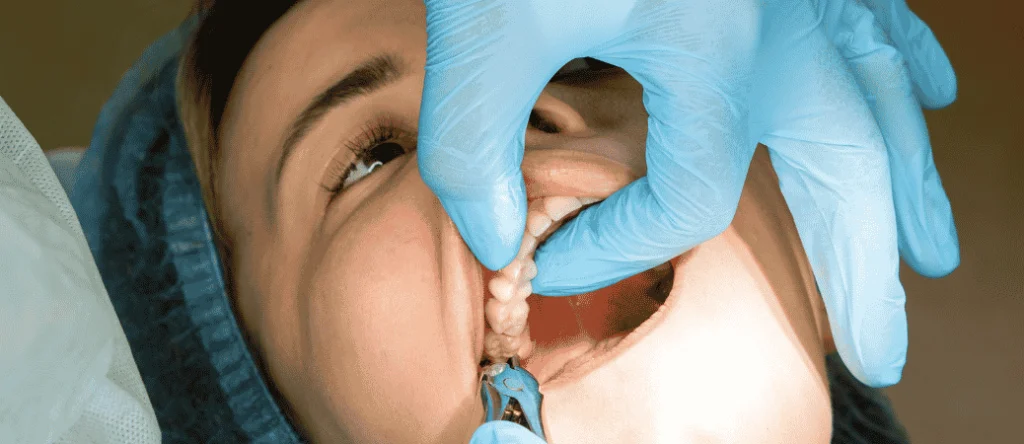
Sometimes a tooth extraction becomes necessary when the infection is too severe or the tooth can’t be saved.
Your dentist will recommend extraction if the tooth structure is too damaged for a root canal or if the infection keeps coming back.
The surgical extraction process involves numbing your mouth and carefully removing the entire tooth, including the roots. You’ll need to bite on gauze for 30 to 45 minutes after the procedure to stop bleeding.
Your dentist may prescribe antibiotics and pain medication to help you heal.
After extraction, you have several options to replace the missing tooth. These include dental implants, bridges, or dentures. Replacing the tooth helps maintain your bite alignment and prevents other teeth from shifting.
Preventing Tooth Infections
Brushing your teeth twice daily with fluoride toothpaste is the foundation of infection prevention. You should also floss once a day to remove food and bacteria between your teeth where your toothbrush can’t reach.
Key prevention steps include:
- Visiting your dentist every six months for cleanings and checkups
- Limiting sugary foods and drinks that feed harmful bacteria
- Drinking fluoridated water to strengthen tooth enamel
- Wearing a mouthguard if you play contact sports
- Avoiding tobacco products that weaken your gums
Preventing tooth infections starts with catching problems early through regular dental visits. Your dentist can spot cavities and gum disease before they turn into serious infections.
If you notice any tooth sensitivity, pain, or swelling, schedule an appointment right away instead of waiting for it to worsen.
Frequently Asked Questions
People dealing with tooth infections often have urgent questions about when to seek help and what steps to take. Knowing the warning signs and your options can help you act quickly when it matters most.
What signs mean a tooth infection is an emergency and not something that can wait?
Certain symptoms tell you that a tooth infection needs immediate attention. A fever over 100.4°F means the infection has spread beyond your tooth into your body.
Severe swelling in your face, jaw, or neck is another red flag. If you have trouble breathing or swallowing, you need emergency care right away.
Other emergency signs include extreme pain that doesn’t respond to over-the-counter pain relievers. Confusion, rapid heartbeat, or feeling very ill also means you shouldn’t wait.
When should I go to the ER for a tooth infection instead of waiting for a dentist?
You should head to the emergency room if you have difficulty breathing or swallowing. These symptoms mean the swelling could block your airway.
Go to the ER if you develop a high fever with chills or feel confused and disoriented. A rapid heart rate or extreme weakness suggests the infection may have spread to your bloodstream.
If your face or neck swells rapidly over a few hours, don’t wait for a dental appointment. The ER can stabilize you and provide antibiotics before you see a dentist.
What can I do right now to relieve tooth abscess pain fast until I can get care?
Rinse your mouth with warm salt water several times a day to help reduce pain and draw out infection. Mix half a teaspoon of salt in eight ounces of warm water.
Take over-the-counter pain relievers like ibuprofen or acetaminophen as directed on the package. Ibuprofen works especially well because it reduces both pain and swelling.
Apply a cold compress to the outside of your cheek for 15 minutes at a time. Avoid placing heat on the area, as this can make the infection spread faster.
What should I do if my tooth infection is getting worse at night or over the weekend?
Call your dentist’s emergency line if they have one, as many dental offices offer after-hours guidance. They may be able to call in a prescription for antibiotics or pain medication.
If you can’t reach your dentist and have emergency symptoms, go to an urgent care center or emergency room. Many cities also have emergency dental clinics that operate on weekends and evenings.
Keep taking pain relievers and rinsing with salt water while you wait for professional care. Don’t lie flat when sleeping, as elevating your head can help reduce throbbing pain.
Is it ever safe to try to drain or treat a tooth abscess at home without seeing a dentist?
No, you should never try to drain a tooth abscess yourself. Attempting to pop or lance an abscess at home can push bacteria deeper into your tissues or bloodstream.
Professional treatment is always necessary to fully drain the infection and address the underlying cause. A dentist will perform a root canal, drain the abscess properly, or extract the tooth if needed.
Home remedies like salt water rinses can provide temporary relief, but they won’t cure the infection. Only a dentist can remove the infected tissue and prevent the problem from returning.
What can I do if I have a dental emergency but can’t afford treatment right away?
Many dental offices offer payment plans that let you pay for treatment over time. Call ahead and explain your situation, as most practices want to help you get the care you need.
Look for dental schools in your area, where supervised students provide treatment at reduced costs. Community health centers often have dental clinics that charge based on your income.
Some areas have charitable dental programs or free clinics for emergencies. If you need immediate care, the ER must treat you regardless of your ability to pay, though you’ll receive a bill later.


