

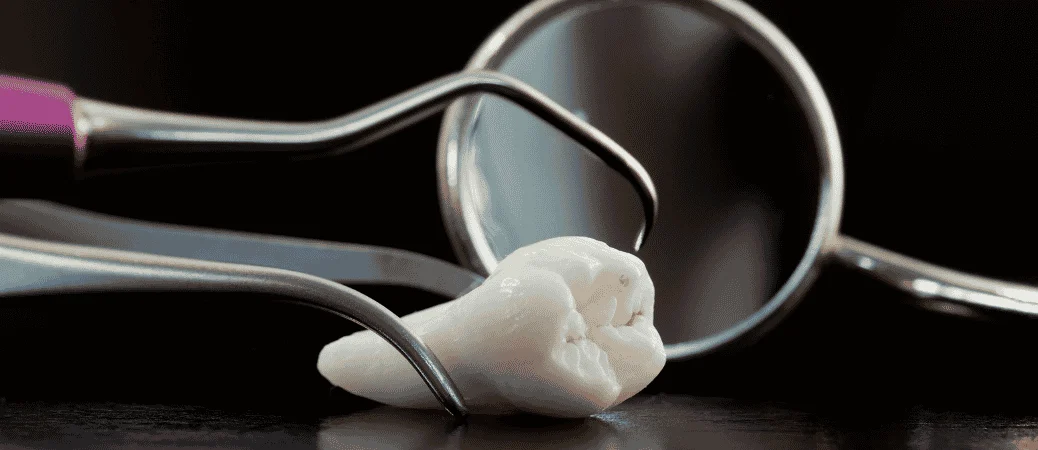
That dull ache at the back of your jaw can mean a lot of different things, and figuring out which one applies to you is the first step toward feeling better.
Some wisdom tooth pain fades on its own within a few days. Other pain is your mouth’s way of flagging an infection, a crowded tooth, or damage that needs a dentist’s attention before it gets worse.
Wisdom teeth, also called third molars, are the last teeth to come in, usually during the late teens or early twenties.
Because they sit so far back, they’re hard to clean and prone to problems most other teeth don’t face.
Understanding wisdom tooth removal necessity starts with looking at your symptoms, the tooth’s position, and whether it is causing infection or damage to nearby teeth.
This kind of pain deserves attention because ignoring it doesn’t always make it go away. Left unchecked, some causes of wisdom tooth pain can lead to infection, damage to nearby teeth, or bone loss over time.
Getting a clear picture now can save you discomfort and bigger dental work later.
Key Takeaways
- Mild, short-lived soreness during eruption is different from pain tied to infection, decay, or impaction, and telling them apart guides your next step.
- Recurrent infections, cysts, decay, or damage to the tooth next door usually shift the decision toward removal rather than continued monitoring.
- Certain symptoms, like facial swelling, fever, or trouble swallowing, mean you shouldn’t wait for a regular appointment and should seek care right away.
What Your Wisdom Tooth Pain May Be Telling You
Pain at the back of your jaw can come from a tooth simply pushing through the gum, or it can signal a problem that needs treatment.
The location, pattern, and other symptoms that come with it offer real clues about which one you’re dealing with.
An impacted wisdom tooth doesn’t have enough room to come in normally. It might stay trapped in the jawbone, get stuck under the gum, or only partly break through.
A partially erupted wisdom tooth is especially prone to trapping food and bacteria, which can lead to swelling, tenderness, and a gum infection that keeps coming back.
Is It Normal Eruption Pressure or an Impacted Tooth?
Eruption soreness tends to feel like mild pressure or tenderness that improves within a few days. Pain from an impacted tooth usually sticks around, gets worse, or comes with swelling and a bad taste.
If your discomfort is fading day by day, that’s a good sign. If it’s holding steady or building, especially with jaw stiffness or difficulty opening your mouth, it’s worth having a dentist take a look.
How a Gum Flap Can Cause Pericoronitis
A gum flap covering part of a partially erupted tooth can trap food and bacteria underneath it, leading to pericoronitis, an inflammation of the surrounding gum tissue.
Symptoms often include tender or bleeding gums, localized swelling, bad breath, and pain when you bite down.
A single mild episode doesn’t always mean the tooth has to come out. Recurrent pericoronitis, however, is a sign the area keeps trapping debris and may need a longer-term fix.
Could Decay, Gum Disease, or Pressure on the Second Molar Be the Cause?
Yes, wisdom teeth are hard to clean, which raises the risk of tooth decay and gum disease around both the wisdom tooth and the second molar next to it.
A tilted or impacted wisdom tooth can press against that neighboring tooth, creating a tight spot where cavities and gum pockets develop.
This crowding can also contribute to root resorption or bone loss over time if left unaddressed. Bleeding gums, tender gums, and an unpleasant taste are common signs something is brewing in that area.
Which Symptoms Suggest Infection Rather Than Simple Soreness?
Infection tends to bring more than just pain. Watch for facial swelling, bad breath that doesn’t go away, headaches, jaw stiffness, and difficulty chewing or opening your mouth.
These symptoms together point toward infection rather than normal eruption discomfort, and they’re a clear signal to schedule a dental exam soon.
When Removal Is More Appropriate Than Waiting
Wisdom teeth removal becomes the better option when a wisdom tooth causes repeated problems, damages nearby teeth, or shows signs of disease on an X-ray.
Not every third molar needs to come out, but certain findings shift the balance toward extraction rather than continued watching.
Dentists weigh factors like recurrent infections, cyst formation, cavities, and pressure on the second molar when deciding between monitoring and wisdom tooth removal.
The goal is protecting your long-term oral health, not removing teeth automatically just because they’re wisdom teeth.
When Can a Wisdom Tooth Be Monitored?
A wisdom tooth can often be monitored when it’s fully erupted, positioned normally, symptom-free, and easy to keep clean with regular brushing and flossing.
Many people go through life with healthy, functional wisdom teeth that never cause trouble.
Regular dental exams and X-rays help track any changes. If the tooth stays clean, symptom-free, and stable over time, waiting is a reasonable approach.
Why Recurrent Infections Often Lead to Extraction
Recurrent infections are one of the strongest reasons dentists recommend wisdom tooth extraction.
Once pericoronitis or a gum infection keeps returning, the area is unlikely to heal on its own, and repeated flare-ups raise the risk of the infection spreading.
If you’ve had more than one round of antibiotics or swelling tied to the same tooth, that pattern matters more than how any single episode feels.
When Cysts, Decay, or Nearby Tooth Damage Change the Decision
Cyst formation around an impacted tooth, tooth decay that’s hard to treat conservatively, or damage to the second molar all change the calculation toward removal.
A cyst can quietly grow and affect surrounding bone before you notice pain, which is part of why X-rays matter even for teeth that don’t hurt yet.
If your dentist spots decay creeping into the neighboring tooth or early root resorption, waiting risks losing more than just the wisdom tooth.
Old North Dentures and Implants sees patients whose second molars could have been protected with earlier evaluation and, when needed, prompt wisdom teeth removal.
Does Crowding Alone Mean Wisdom Teeth Need to Come Out?
Crowding by itself doesn’t automatically mean extraction is necessary.
Dental research hasn’t confirmed that wisdom teeth are a major cause of front-tooth crowding, so this reason alone carries less weight than infection, decay, or cyst risk.
That said, if crowding is combined with poor access for cleaning or pressure on the second molar, it becomes part of a bigger picture that may support removal.
What Happens at a Wisdom Tooth Evaluation and Removal
A wisdom tooth evaluation starts with a dental exam and X-rays to see the tooth’s position, depth, and relationship to nearby nerves and teeth. From there, your dentist decides whether monitoring, a referral, or removal makes the most sense.
Getting this evaluation early, even before pain shows up, gives you more options and often an easier recovery.
How a Dental Examination and X-Rays Guide the Decision
A dental x-ray shows what your dentist can’t see by looking in your mouth: how the tooth sits in the bone, whether it’s impacted, and how close its roots are to the inferior alveolar nerve.
This imaging is what separates guesswork from an informed plan.
Your dentist will also check for gum inflammation, decay, and pocket depth around the tooth during the physical exam.
When a General Dentist May Refer You to an Oral Surgeon
Complex cases, like deeply impacted teeth or ones close to the nerve, often get referred to an oral surgeon or maxillofacial surgeon.
These specialists have advanced training in surgical extractions and managing teeth in tricky positions.
If your case is more straightforward, a general dentist may be able to handle the extraction directly.
Old North Dentures and Implants coordinates this kind of oral surgery so patients know what to expect before the day of the procedure.
Local Anesthesia, IV Sedation, and General Anesthesia Options
Most wisdom tooth removals use local anesthesia to numb the area, sometimes combined with IV sedation to help you relax through the procedure.
General anesthesia is reserved for more complex cases or patients who prefer to be fully asleep.
Your comfort level and the complexity of the extraction both factor into which option makes sense.
Ask your dentist which choice fits your situation, and look into sedation dentistry options ahead of time if anxiety about the procedure is part of your hesitation.
What Happens During a Surgical Extraction?
A surgical extraction may involve a small incision in the gum and, in some cases, removing a bit of bone to access an impacted tooth.
The tooth might be sectioned into pieces for easier removal, especially if it’s angled or partly buried.
Wisdom tooth removal pain during the procedure itself is controlled with anesthesia, and most people describe pressure rather than sharp pain while it’s happening.
Recovery discomfort is managed separately afterward.
How to Manage Pain Safely and Know When Care Cannot Wait
Home care can ease mild wisdom tooth pain for a short time, but it won’t fix an infection, decay, or an impacted tooth.
Knowing which symptoms call for urgent care, rather than a wait-and-see approach, protects you from complications that are harder to treat later.
What Can Provide Temporary Wisdom Tooth Pain Relief at Home?
Over-the-counter painkillers like ibuprofen or paracetamol, a warm salt water rinse, and a cold compress against your cheek can ease mild discomfort while you wait for your appointment.
Stick to soft foods and avoid chewing on the painful side. These steps ease symptoms, but they don’t treat the underlying cause, so don’t let temporary relief delay a needed exam.
What Should You Expect After Wisdom Tooth Extraction?

Mild swelling, tenderness, and some bleeding are normal in the first day or two after wisdom tooth extraction.
Your dentist will determine whether antibiotics are appropriate based on signs of infection and your individual needs.
A blood clot forms in the socket and is a key part of healing, so avoiding straws, smoking, and vigorous rinsing in the first days matters.
If you want a fuller picture of the recovery timeline and what’s normal along the way, this overview of risks tied to delaying tooth extraction is a helpful starting point.
How Can You Lower the Risk of Dry Socket?
Avoiding straws, smoking, and spitting forcefully for the first few days after surgery lowers your risk of dry socket, a painful condition where the blood clot is lost too early.
Sticking to soft foods and following your dentist’s rinsing instructions also protects the healing site.
Dry socket pain tends to show up two to four days after extraction and feels sharper than normal post-surgery soreness.
Call your dentist if this happens; it’s treatable but needs attention.
When Is Wisdom Tooth Pain a Dental Emergency?
Wisdom tooth pain becomes a dental emergency when it comes with facial swelling, fever, pus, trouble swallowing, or difficulty opening your mouth.
These symptoms can mean an infection is spreading beyond the tooth itself and needs prompt treatment rather than home care.
If you notice any of these signs, don’t wait for a routine appointment. Dr. Robert Long at Old North Dentures and Implants can evaluate the problem and determine whether emergency dentistry is needed.
Not sure how urgent your symptoms are? Review these signs you need an emergency dentist to understand when you should seek prompt care.
Choosing Assessment, Monitoring, or Removal Based on Your Symptoms

Your next step depends on the pattern your symptoms are showing, not just how bad the pain feels today. Mild, improving soreness usually means it’s fine to keep an eye on things and maintain good oral hygiene.
Pain that keeps returning, worsens, or comes with swelling, a bad taste, or jaw stiffness calls for a dental examination.
| Watch and Monitor | See a Dentist Soon | |
| Pain pattern | Mild, improving over days | Steady, worsening, or recurring |
| Swelling | None | Facial or gum swelling present |
| Gum condition | Healthy, no bleeding | Tender, bleeding, or pus present |
| Mouth opening | Normal | Difficulty or stiffness |
| History | First episode, mild | Repeated infections or flare-ups |
Dental care works best when it catches problems early, before a manageable issue becomes a dental emergency.
If you’re unsure which category your symptoms fall into, a dental examination settles the question with certainty an X-ray at home never could.
Frequently Asked Questions
How do I know if wisdom tooth pain will go away on its own?
Pain that’s mild, feels like pressure rather than sharp aching, and improves day by day is more likely to settle on its own as the tooth finishes erupting.
Pain that stays the same, gets worse, or comes with swelling or a bad taste is less likely to resolve without treatment and should be checked by a dentist.
Can I keep an impacted wisdom tooth if it does not hurt?
Yes, an impacted wisdom tooth without pain, infection, decay, or damage to nearby teeth can often be monitored rather than removed.
Your dentist will track it with periodic exams and X-rays to catch any changes early, since some problems develop quietly before pain appears.
How can I relieve wisdom tooth pain until I see a dentist?
Over-the-counter painkillers, a cold compress on your cheek, and a warm salt water rinse can ease mild wisdom tooth pain relief needs in the short term.
Soft foods and gentle oral hygiene around the area also help, but these steps don’t replace a dental exam if the pain persists.
When is swelling from a wisdom tooth an emergency?
Swelling becomes an emergency when it spreads to your face, jaw, or neck, or comes with fever, trouble swallowing, or difficulty opening your mouth.
These signs can mean an infection is spreading and need same-day dental or medical attention rather than home care.
What is the worst day of pain after wisdom tooth extraction?
Swelling and discomfort after wisdom tooth extraction often peak around day two or three before gradually improving.
Pain that suddenly worsens after day three, especially with a foul taste or exposed socket, may point to dry socket and is worth a call to your dentist.
Can wisdom teeth be removed at age 40?
Yes, wisdom teeth removal is possible at age 40 and beyond, though healing may take a bit longer than it would for a teenager.
Waiting longer doesn’t rule out extraction, but earlier evaluation generally means simpler removal and an easier recovery.