

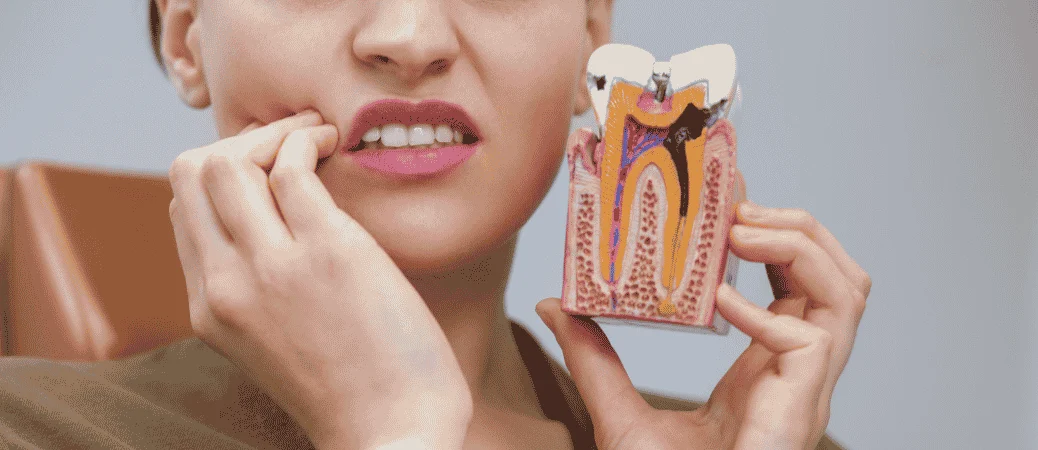
A toothache that comes and goes might not seem like a big deal, but some symptoms mean you need to act fast.
Your body sends warning signs before a small problem turns into a serious one, and knowing what to watch for can save your smile.
If you notice severe pain, swelling, a knocked-out tooth, or signs of infection, you likely need to see an emergency dentist right away instead of waiting for a regular appointment.
You might be surprised how many people brush off symptoms that actually call for urgent dental care. A little swelling or a small crack in a tooth can seem harmless at first, but these issues can get worse quickly if you ignore them.
Learning the signs you need an emergency dentist helps you protect your oral health and avoid bigger issues down the road.
This guide walks you through the signs that mean you should stop waiting and get help. You’ll learn how to tell the difference between something that can wait and a true dental emergency, plus what steps to take before you reach the dentist’s office.
Key Takeaways
- Some dental symptoms need care right away, while others can wait for a regular visit.
- Pain, swelling, infection, and injuries to your teeth or gums are signs you should not ignore.
- Knowing what to do before you reach the dentist can help protect your teeth and reduce discomfort.
Table of Content
- How to Tell Whether Care Cannot Wait
- Severe Pain and Sensitivity That Signal a Deeper Problem
- Infection Warnings in the Gums, Face, and Mouth
- Dental Trauma and Damage That Put a Tooth at Risk
- Gum and Jaw Changes People Often Dismiss
- What to Do Before You Reach the Dentist
- Frequently Asked Questions
How to Tell Whether Care Cannot Wait
Not every dental problem is an emergency, but some signs mean you need help right away. Knowing the difference can protect your health and even save a tooth.
Symptoms That Need Same-Day Dental Help
Some dental symptoms mean you should call an emergency dental clinic the same day you notice them. Sharp, constant pain that won’t go away with over-the-counter medicine is one big warning sign.
Other signs include:
- A tooth that gets knocked out completely
- A tooth that cracks or breaks with pain
- A lost filling or crown that causes discomfort
- Swelling in your gums or cheek
- Bleeding that doesn’t stop after gentle pressure
If you notice any of these dental symptoms, emergency dental care can help you avoid bigger problems later. Waiting too long can let small dental problems turn into serious infections.
When to Go to the Emergency Room Instead
Some symptoms are too serious for a dental office and need a hospital right away. If you have trouble breathing or swallowing, go to the ER immediately, not an emergency dental service.
Facial swelling or jaw swelling that spreads quickly, especially if it affects your eye or neck, can signal a dangerous infection.
A high fever along with mouth pain is another red flag, since it may point to an infection spreading through your body.
Uncontrolled bleeding that won’t stop after 10-15 minutes of steady pressure also needs emergency room care.
In rare cases, untreated dental infections can lead to sepsis, a life-threatening condition that needs urgent medical treatment beyond what any dental clinic can provide.
Dental Issues That May Wait for a Routine Visit
Not every dental issue counts as an emergency. Mild tooth sensitivity, small chips without pain, or a slightly loose filling can usually wait for a normal appointment.
If a tooth looks a little different but doesn’t hurt, you likely have time to schedule a regular visit instead of rushing to urgent care. Small cracks in old fillings that don’t cause pain also tend to fall into this category.
Severe Pain and Sensitivity That Signal a Deeper Problem
Not all tooth pain is the same, and the type of pain you feel can tell you a lot about what is going on inside your mouth. Sharp, constant, or lingering pain often points to something more serious than a small cavity.
In some cases, waiting can make the problem worse, especially when delaying tooth extraction allows an infection or severely damaged tooth to cause further problems.
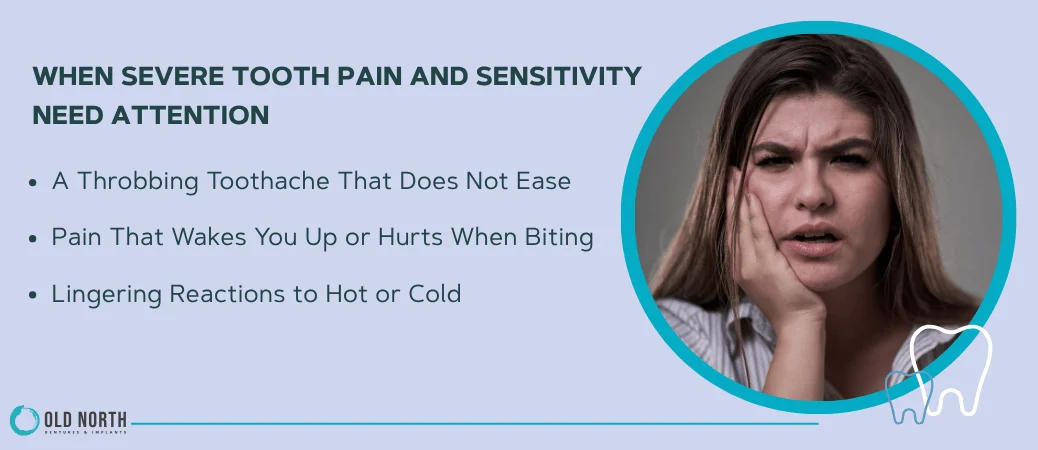
A Throbbing Toothache That Does Not Ease
A toothache that keeps throbbing, even after you take over-the-counter pain relievers, is not something to brush off. This type of persistent tooth pain often means the nerve inside your tooth is inflamed or infected.
You might also notice swelling in your gums or face, or even a bad taste in your mouth. These can be signs of a tooth infection, which sometimes leads to an abscess.
If your dentist finds nerve damage, you may need root canal treatment to remove the infected tissue and save your tooth. Waiting too long can let the infection spread to other parts of your body.
Pain That Wakes You Up or Hurts When Biting
If tooth pain wakes you up at night, your body is telling you something is wrong. This kind of severe toothache often gets worse when you lie down because blood flow increases to your head.
Pain when you bite down is another red flag. It can mean you have a cracked tooth, a loose filling, or deep tooth decay reaching the nerve.
You might feel a sharp jolt of pain, then a dull ache afterward. This pattern often points to an abscess or nerve damage, and it usually will not go away without the right dental treatment.
Lingering Reactions to Hot or Cold
A quick zing from hot coffee or cold ice cream is normal for many people. But if your tooth sensitivity lasts more than a few seconds after you eat or drink, it could mean something more serious.
Lingering pain from hot or cold often signals that decay has reached the inner layer of your tooth, close to the nerve. This is different from mild sensitivity to hot or cold, which usually fades fast and is not urgent.
If the pain sticks around for a minute or longer, your tooth may need treatment soon. Left untreated, this kind of dental pain can turn into a bigger problem, including infection or the need for a root canal.

Infection Warnings in the Gums, Face, and Mouth
Your mouth can tell you a lot about what’s going on inside your body. If you notice swelling, a fever, or a bad taste that won’t go away, it could mean you have a dental infection that needs quick care.
Swelling, Pus, and a Gum Bump
Swelling in your gums is one of the clearest signs of trouble. It often means you have a dental abscess, which is a pocket of bacteria and pus that builds up around an infected tooth.
You might notice a small bump on your gum that looks like a pimple. This bump can leak pus, which has a thick texture and a bad smell.
Swollen gums are your body’s way of fighting a bacterial infection. If the swelling spreads to your cheek or jaw, this is a sign the infection is getting worse.
Don’t wait to see if it goes away on its own. An abscessed tooth rarely heals without treatment from a dentist.
Fever, Swollen Lymph Nodes, and Spreading Infection
When an infection moves past your tooth, it can affect your whole body. A fever is one of the first signs that your immune system is working overtime to fight bacteria.
You may also feel tender, swollen lymph nodes under your jaw or in your neck. These act like filters that trap germs, so swelling there means your body is on high alert.
Facial swelling or jaw swelling are more serious symptoms. This can happen when a dental infection spreads beyond the tooth into nearby tissue, and it’s a strong reason to seek emergency care.
If left untreated, an oral infection can spread to your bloodstream and cause sepsis. This is rare, but it can become life-threatening quickly. Watch for these signs of infection, and don’t ignore them:
- Fever over 100.4°F
- Chills or sweating
- Rapid heartbeat
- Confusion or dizziness
- Swelling that spreads to your eye or neck
A Foul Taste or Odor That Will Not Go Away
A strange taste in your mouth can be more than just an annoyance. A metallic taste or a foul taste that doesn’t fade after brushing may point to an infection deep in your gum or tooth.
Persistent bad breath, also called halitosis, is another red flag. If regular brushing and mouthwash don’t fix the foul odor, bacteria may be building up beneath the surface.
Bad breath caused by decay smells different from normal morning breath. It often has a sharp, rotten quality that lingers no matter how well you clean your teeth.
You may be prescribed antibiotics to help control the infection short-term. Still, the real fix usually involves treating the infected tooth directly, since taste and smell problems tend to return once the medicine wears off.
Dental Trauma and Damage That Put a Tooth at Risk
Dental trauma can range from a small chip to a tooth that gets knocked completely out. How you respond in the first few minutes can decide whether your dentist can save the tooth or whether you end up facing tooth loss.

What to Do With a Knocked-Out Tooth
If you have a knocked-out tooth, also called an avulsed tooth, you need to act fast. Pick the tooth up by the crown (the chewing part), not the root. Try not to touch the root at all.
Rinse the tooth gently with water if it’s dirty, but don’t scrub it. If you can, place it back in the socket right away and bite down gently to hold it in place.
If that’s not possible, keep the tooth moist. You can store it in a container of milk or in your own saliva.
Get to an emergency dentist within 30 to 60 minutes. The longer the tooth sits outside your mouth, the lower the odds a dentist can save it.
Cracks, Chips, and Fractures That Expose the Tooth
A chipped tooth or small crack might not seem urgent, but a cracked tooth or fractured tooth that reaches deep into the tooth can expose the nerve. This raises your risk of infection and severe pain.
Watch for these warning signs:
- Sharp pain when you bite down
- Sensitivity to hot or cold that lingers
- A visible line or split in the tooth
- Sudden pain after chewing on something hard
A cold compress on your cheek can help with swelling and pain while you wait to see a dentist. If the crack reaches the tooth’s pulp, you may need root canal therapy to remove the damaged tissue.
In severe cases, a broken tooth may need extraction if it can’t be repaired.
Lost Fillings, Crowns, and Other Broken Restorations
A lost filling or lost crown might feel like a minor issue, but it leaves the tooth underneath open to damage. Once that layer of protection is gone, food, bacteria, and temperature changes can reach the tooth directly.
A broken crown can also expose sharp edges that cut your tongue or cheek. If you notice a gap, rough spot, or missing piece where a filling or crown used to be, don’t wait too long to get it checked.
Bacteria can build up quickly in the exposed area, sometimes leading to decay or infection. Your dentist can often place a temporary filling or crown until a permanent fix is ready, protecting the tooth from further harm.
Gum and Jaw Changes People Often Dismiss
Your gums and jaw often send warning signals long before a dental problem becomes an emergency. Bleeding, tenderness, loose teeth, and jaw pain can seem minor, but they often point to issues that need attention soon.
Bleeding, Receding, or Tender Gums
If your gums bleed when you brush or floss, don’t ignore it. This is often one of the first signs of gingivitis, which is a mild form of gum disease.
Left untreated, gingivitis can turn into periodontitis, a more serious infection that damages the tissue and bone around your teeth.
You might also notice your gums pulling away from your teeth, a problem called gum recession. This can make your teeth look longer and feel more sensitive.
Tender or swollen gums are another red flag. If your gums feel sore, look puffy, or bleed easily, it’s a good idea to see a dentist. A professional deep cleaning can often treat early gum disease before it turns into something worse.
Loose or Shifting Adult Teeth
Adult teeth should feel firmly in place. If you notice a tooth feeling loose or moving slightly, this is not normal and needs a dentist’s attention right away.
Loose or shifting teeth are often linked to advanced gum disease, which can cause bone loss around the roots of your teeth. Without enough bone support, teeth can drift out of place or feel wobbly.
Bone loss can also be connected to other health conditions, such as osteoporosis.
If you have osteoporosis, it’s worth mentioning this to your dentist, since it can affect the strength of the bone that holds your teeth in place. Catching these changes early can help prevent tooth loss.
Jaw Pain, Grinding, and Bite Changes
Jaw pain is easy to brush off, but it can be a sign of something that needs treatment. Ongoing pain, clicking, or stiffness in your jaw may point to a TMJ disorder, which affects the joint connecting your jaw to your skull.
Teeth grinding, also called bruxism, often happens at night and can wear down your teeth over time. It can also lead to jaw soreness and frequent headaches.
Notice if your bite feels different than it used to. A bite misalignment can cause uneven pressure on your teeth and jaw, leading to more pain and wear over time.
If you notice any of these changes, a dentist can check for the cause and suggest treatment options.
What to Do Before You Reach the Dentist
A dental emergency can throw off your whole day, but a few simple steps can keep you comfortable and safe until you get help. Knowing what to do (and what to avoid) can make a real difference in how your mouth heals.
Safe Steps for Pain, Swelling, and Bleeding
Try these steps first if you’re dealing with tooth pain, swelling, or bleeding.
- For pain: Rinse your mouth with warm salt water. This can help clean the area and ease irritation. Over-the-counter pain relievers like ibuprofen can also help, but always follow the label directions.
- For swelling: Hold a cold compress against your cheek for 10 to 15 minutes at a time. This helps calm swelling and can numb some of the pain.
- For bleeding: Bite down gently on a clean piece of gauze or a damp tea bag. Keep steady pressure for about 20 minutes.
If your symptoms don’t improve, it’s time to call an emergency dentist for more guidance.
What Not to Put on a Damaged Tooth or Gum
It’s tempting to try quick fixes at home, but some common tricks can actually make things worse.
Never put aspirin directly on your gum or tooth. Many people think this helps with pain, but it can burn your gum tissue instead.
Don’t apply heat to a sore or swollen area. Heat can increase blood flow and make swelling worse.
Avoid using sharp objects to pick at a broken tooth or remove debris. This can lead to more damage or even introduce bacteria into a mouth sore.
If you notice a mouth sore that won’t heal, or any unusual white or red patches, mention this to your dentist. These can sometimes be signs of larger oral health issues, including oral cancer, so it’s best to have them checked.
Reducing the Risk of Another Urgent Problem
Good habits now can help you avoid another trip to the dental office later. Keep up with daily oral hygiene, including brushing twice a day and flossing once a day.
This helps remove food particles and plaque that can lead to decay or gum problems.
If you play sports, wear a mouthguard to protect your teeth from injury. If you grind your teeth at night, ask your dentist about a nightguard to prevent cracks and wear.
Drink plenty of water throughout the day, since dry mouth can raise your risk of cavities and infection. Finally, don’t skip your regular check-up.
Catching small problems early can help you avoid a painful emergency down the road.
Frequently Asked Questions
Dental emergencies can feel confusing when you are in pain and not sure what counts as urgent. Here are answers to common questions about tooth pain, infections, injuries, and when to get help fast.
How do I know if a toothache needs emergency dental care?
Your toothache needs urgent care when the pain is severe, gets worse, or keeps you up at night. Pain that stops you from eating, talking, or sleeping is a sign you should not wait it out.
You should also watch for swelling, fever, or a bad taste in your mouth. These signs often mean pain that disrupts sleep or daily activities is linked to something more serious, like an abscess or a crack in the tooth.
If your pain comes with any of these extra symptoms, call an emergency dentist the same day.
What are the most common dental emergencies?
Some of the most common emergencies you might face include a knocked-out tooth, a badly cracked tooth, or a tooth pushed out of place.
Your dentist has the best shot at saving a knocked-out tooth if it gets put back in place within one hour.
Other frequent emergencies include lost fillings or crowns, broken braces wires, and sudden severe pain. Bleeding that will not stop after an injury also counts as an emergency you should not ignore.
What symptoms could mean I have a serious tooth infection?
A serious tooth infection often causes throbbing pain that shows up without warning, especially at night.
You might also notice a small bump on your gums that looks like a pimple, which can drain pus and leave a bad taste in your mouth.
Watch for sensitivity to heat that lingers, since this can mean decay has reached the inner layers of the tooth. A tooth that darkens on its own is another warning sign worth getting checked.
Is facial swelling from a tooth problem an emergency?
Yes, facial swelling near your jaw or neck is one of the clearest signs you need help right away. This kind of swelling often points to an infection spreading from an abscessed tooth.
If the swelling reaches your airway or spreads into your bloodstream, it can become dangerous fast. This is why swelling in the face, jaw, or neck should never wait until your next scheduled visit.
What should I do if a tooth gets knocked out or broken?
If a tooth gets knocked out, try to find it and pick it up by the top part, not the root. Rinse it gently with water, avoid scrubbing it, and try to place it back in the socket if you can.
If you cannot put it back, keep the tooth in milk while you head to the dentist. Acting within the first hour gives you the best chance of saving the tooth.
For a broken tooth with sharp edges or exposed nerve tissue, get to a dentist quickly. This helps prevent further damage and lowers your risk of infection.
Will an emergency room treat a severe tooth infection?
An emergency room can give you pain medicine or antibiotics, but they usually cannot fix the actual tooth problem. Most ERs do not have the tools or staff needed to treat a broken tooth or perform an extraction.
The ER is a good choice for serious situations like uncontrolled bleeding, trouble breathing, or a jaw injury. For most tooth infections and severe pain, an emergency dentist is your better option for actual treatment.